
How Ground Mounted Solar Installation Maximizes Energy Output
- zodiacenergyseo

- Jan 13
- 3 min read

In the rapidly evolving renewable energy landscape, Ground mounted solar installation has become a cornerstone for large-scale and high-efficiency solar power generation. Unlike rooftop systems, ground-mount installations provide unmatched flexibility in design, orientation, and scalability, allowing them to harness the maximum possible solar energy from available land. As businesses and utility planners seek the most efficient and cost-effective solar solutions, understanding how these systems work to optimize energy output is essential.
1. Optimal Panel Positioning for Maximum Sun Exposure
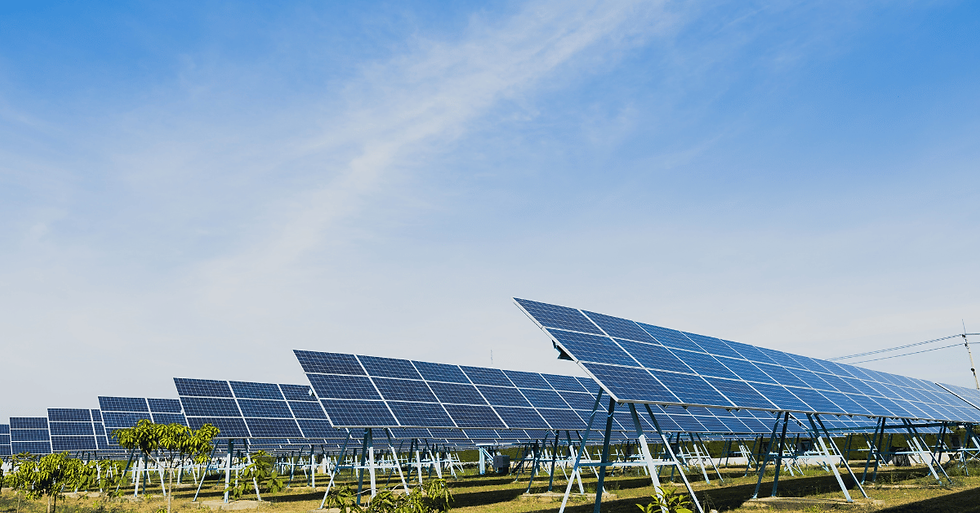
One of the greatest advantages of Ground mounted solar installation is the ability to precisely position solar panels to capture the most sunlight throughout the day. Unlike rooftop systems that must conform to existing roof orientations and slopes, ground-mounted arrays can be tilted and oriented toward the sun’s path to maximize exposure. By facing solar panels toward the equator with the correct tilt angle, systems can capture more sunlight year-round, significantly increasing energy yield compared to fixed or non-optimally oriented installations.
This flexibility translates directly into higher energy output because solar panels receive more direct sunlight, especially during peak generation hours. For utility-scale power plants or large commercial installations, engineering teams can simulate sun trajectories and adjust mounting angles seasonally to further enhance performance.
2. Scalable Layouts for Greater Generation Capacity
Ground mounted solar installations excel in scalability. Whether covering a few acres or several hectares, these systems allow for strategic layout designs that minimize shading and maximize total energy capture. Panels can be spaced to reduce mutual shading—when one row blocks sunlight from another—which is critical for maintaining high output in large fields.
This modular scalability plays a key role in expansive solar farms such as those developed by Zodiac Energy Limited, which has a portfolio exceeding 400+ MWp of ground-mounted solar projects across India and abroad. Such flexibility ensures that investments in land and infrastructure deliver reliably high energy production year after year.
3. Use of Tracking Technology
To further amplify energy capture, many ground-mounted systems incorporate solar tracking technology. These systems adjust the orientation of solar panels throughout the day to follow the sun’s path, capturing more sunlight than fixed installations. Single-axis trackers, which pivot panels from east to west, can increase energy output by up to 25% compared to fixed systems. Dual-axis trackers, though more expensive, can improve performance even more by optimizing both horizontal and vertical orientations.
The inclusion of tracking systems is especially beneficial in large utility projects where every percentage point increase in yearly output translates to significant overall gains.
4. Compatibility With Advanced Panel Technologies
Ground mounted installations are more adaptable to advanced panel technologies like bifacial solar modules, which generate power from both the front and back sides. When installed at an optimal height and over high-reflectivity surfaces, bifacial panels can capture reflected sunlight from the ground, boosting energy yields. While rooftop systems typically cannot leverage this technology due to height and structural constraints, ground mounts can be engineered specifically to maximize these advantages.
5. Easier Maintenance for Sustained Efficiency
Proper maintenance is critical for long-term performance. Ground mounted systems provide easier access for cleaning, inspection, and repairs compared to rooftop arrays. Dust, debris, and bird droppings can significantly reduce solar panel effectiveness over time if not regularly cleaned. By enabling straightforward ground-level access, operators can ensure that panels remain clean and working at peak capacity. Additionally, maintenance paths integrated into the layout facilitate routine servicing without disrupting energy production.
6. Strategic Site Selection and Land Use
Effective begins with strategic site selection. Ideal land has minimal shading from trees or buildings and soil conditions that support robust mounting structures. Flat, open terrain allows for uniform panel orientation, while site grading can help optimize rows for better energy capture. Properly assessing topography and ground conditions reduces losses due to shading and improves overall system efficiency.
Conclusion
Ground mounted solar installations offer powerful advantages in maximizing energy output through optimal orientation, scalable design, cutting-edge technology integration, and easy maintenance access. Companies like Zodiac Energy Limited illustrate how expertly engineered ground-mount solutions deliver high-performance, long-term solar generation — making them ideal for commercial, industrial, and utility-scale applications. For anyone looking to harness solar energy efficiently and sustainably, ground-mounted systems stand out as a superior choice.


Comments