
How Does a Solar Power System Work?
- zodiacenergyseo

- May 12, 2025
- 2 min read
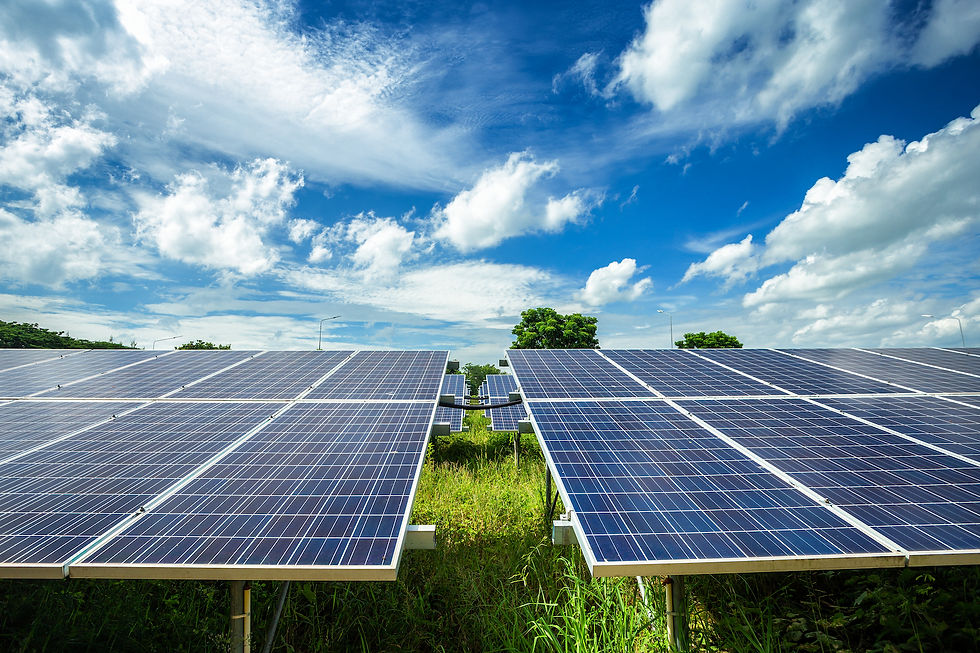
Solar energy is becoming an increasingly popular choice for homeowners looking to reduce electricity bills and support clean energy initiatives. But how exactly does a solar power system work? Understanding the process can help you make informed decisions about installing a solar solution for your home.
A solar power system works by converting sunlight into usable electricity through photovoltaic (PV) panels. These panels are typically mounted on rooftops or open spaces where they can receive maximum sunlight exposure. The core principle behind solar energy is simple: harness the sun’s power and convert it into electrical energy for daily use.
The Components of a Solar Power System
A typical solar system includes several key components. The solar panels capture sunlight and convert it into direct current (DC) electricity. Since most home appliances operate on alternating current (AC), an inverter is used to convert DC into AC power. This ensures the electricity generated is compatible with household usage.
In grid-connected systems, any excess power generated is fed back into the electricity grid. This can earn homeowners credits or reduce future bills through net metering. For those looking for energy independence, battery storage systems are also available to store excess energy for later use, such as during the night or cloudy days.
A solar system for home in Gujarat is designed to optimize energy production while taking into account regional factors like sunlight availability, rooftop space, and energy consumption patterns.
Zodiac Energy Limited, a trusted name in the solar industry, offers expert solutions for residential solar installations, ensuring reliable and efficient systems tailored to each home’s unique requirements.
The Working Process of Solar Power
The process begins when sunlight strikes the solar panels, exciting the electrons within the photovoltaic cells. This movement of electrons generates an electric current. The current is directed to the inverter, which converts it into usable AC electricity. Once converted, the electricity flows through the home’s electrical panel, powering lights, appliances, and other devices.
On days when the system produces more electricity than consumed, the surplus energy is either stored in batteries or exported back to the grid. During the night or periods of high consumption, energy stored in batteries or drawn from the grid supplements the home's power needs.
Benefits of Using Solar Power at Home
Solar power offers numerous benefits for homeowners. The most immediate advantage is the reduction in electricity bills, which can result in significant long-term savings. Additionally, solar systems provide an eco-friendly alternative to conventional power sources, reducing carbon footprint and promoting sustainability.
In regions with abundant sunlight, like Gujarat, solar systems operate at high efficiency, making them a cost-effective solution for energy needs. Government subsidies and incentives further enhance the financial viability of adopting solar energy.
Conclusion
Understanding how a solar power system works empowers homeowners to take advantage of clean, renewable energy. From sunlight to usable electricity, the process is seamless and efficient, offering both economic and environmental benefits. For those considering a solar system for home in Gujarat, investing in a well-designed solar setup ensures a sustainable and cost-effective energy solution for the future.


Comments